Sound Enters the Microphones
The microphones on the hearing aid pick up sounds from the environment, such as speech, background noise, music, traffic, or household sounds.

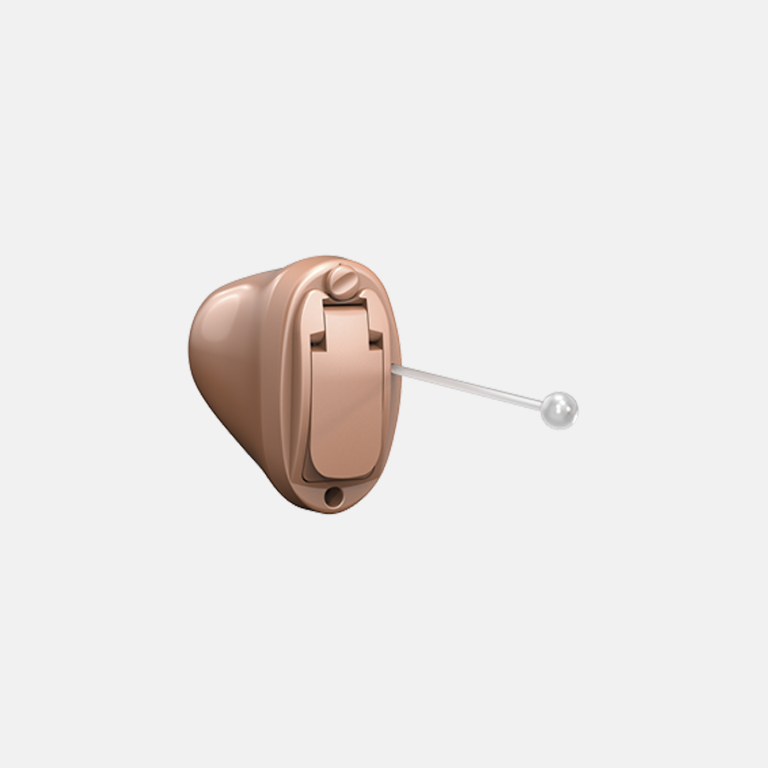
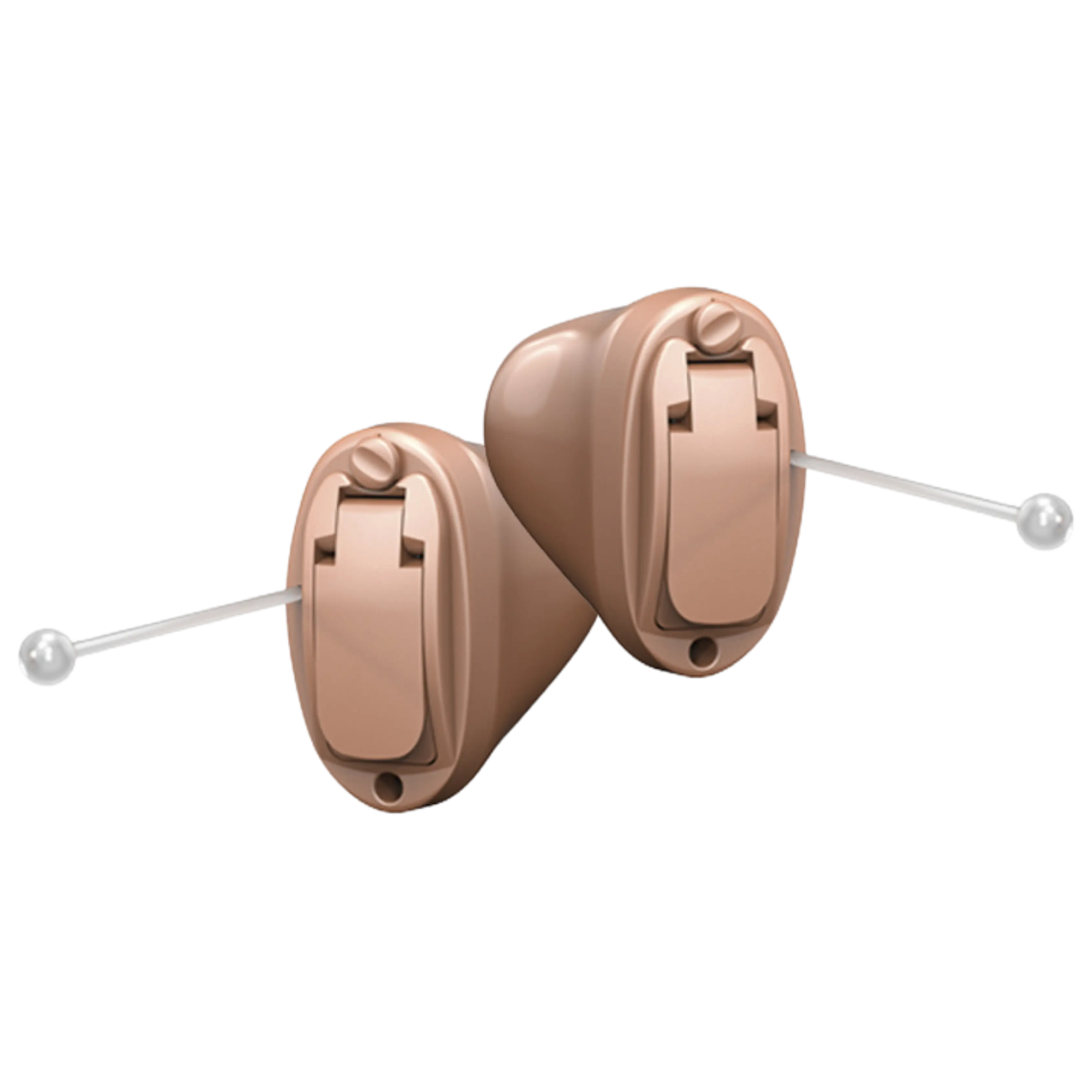
IIC (Invisible-in-Canal) hearing aids are custom-crafted micro devices designed for users looking for ultimate cosmetic discretion.
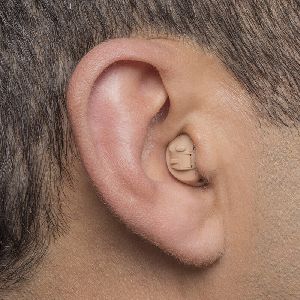
These ultra-compact hearing aids sit deep inside your second bend of the ear canal, making them completely hidden from upfront view. They utilize the ear's natural shape to funnel sound cleanly.
Please note that IIC eligibility relies strictly on an individual’s ear canal anatomy width, specific hearing loss level, and manual dexterity for placement.
Use these quick links to jump straight to the section you want to read first.
A hearing aid picks up sound through a microphone, processes the sound, and sends the improved sound into the ear.
In simple words, the hearing aid meaning is this: it is an ear device for hearing support. A hearing aid does not cure hearing loss, but it can improve speech clarity, conversation comfort, and everyday listening.
People may also search for hearing aid definition, hearing instrument, ear aid device, ear device for hearing, or hearing aid devices. These terms usually refer to devices that support better hearing in daily life.
A hearing aid is a hearing support device that helps make speech and everyday sounds clearer after proper testing and fitting.
Very small custom canal-fitting shell
No behind-the-ear body
Usually deeper than CIC hearing aids
Chosen for discreet appearance
IIC hearing aids sit deep inside the ear canal. They are placed deeper than CIC hearing aids and are usually the least visible among custom in-ear hearing aid devices.
The microphones on the hearing aid pick up sounds from the environment, such as speech, background noise, music, traffic, or household sounds.
The hearing aid processor analyses the sound and adjusts it according to the user’s hearing test results. Soft sounds may be made clearer, while some unwanted background noise may be reduced depending on the hearing aid technology.
The processed sound travels from the behind-ear hearing aid body through a thin wire.
The receiver, placed inside the ear canal, works like a small speaker. It sends the processed sound into the ear.
The ear receives the sound and the brain recognises it as speech, music, alerts, or other environmental sounds.
Follow-up adjustments help fine-tune loudness, clarity, background noise control, and comfort as the user adapts to new sounds.
Select any two types to instantly compare features, discretion levels, and specifications
In some cases, they may also be considered for slightly higher hearing needs depending on the device, ear canal, and fitting recommendation.
The right choice depends on hearing test results, ear canal shape, comfort with tiny devices, and daily listening needs.
Important Note: No single model fits all ear archetypes perfectly. Finding your ideal gear depends on variables like exact canal moisture content, wax conditions, physical handling dexterity, and deep clinical audiogram evaluations.
A quick comprehensive hearing test helps lock down if a RIC model suits your specific active lifestyle goals.
IIC hearing aids are often chosen because they offer one of the most discreet custom hearing aid styles.
IIC hearing aids sit deep inside the ear canal. This makes them one of the least visible hearing aid devices.
The complete hearing aid sits inside the ear canal. This can be helpful for people who wear glasses, masks, helmets, or head coverings.
RIC hearing aids are generally lightweight and can be comfortable for long hours when fitted properly.
Because IIC hearing aids sit deep inside the canal, sound enters closer to the natural hearing path.
Many users find IIC hearing aids comfortable for phone conversations because there is no behind-ear body that interferes with phone placement.
IIC hearing aids are small and lightweight, which makes them comfortable for selected users who want discreet daily hearing support.
Their tiny size makes them discreet, but it can also make them harder to insert, remove, clean, and adjust.
For people searching for the best hearing aid for old people, hearing aids for old people, or old people hearing aid, IIC hearing aids may be considered when the person wants:
Integrated-In-Canal (IIC) engineering is highly regarded in audiology for addressing complex speech clarity degradation and chronic tinnitus management simultaneously.
IIC hearing aids may be suitable for some people with mild to moderate sensorineural hearing loss, depending on the degree and pattern of hearing loss.
Sensorineural hearing aids are not a separate device category. The term usually means hearing aids selected and programmed for people with sensorineural hearing loss.
A hearing test helps the audiologist understand whether IIC, CIC, RIC, BTE, ITE, or another style is more suitable.
Modern premium IIC systems integrate dedicated masking algorithms and personalized sound therapy generators.
A IIC hearing aid does not eliminate tinnitus at its neurological source. However, by precision-amplifying ambient environmental sounds, it successfully reduces the sharp contrast between the internal ringing and your physical surroundings.
This "sound enrichment" tricks the brain into shifting focus away from internal frequencies, providing immense daily cognitive relief. A comprehensive diagnostic audiogram evaluation remains essential before initializing tinnitus management features.
Modern IIC hearing aids may include different features depending on the brand, model, size, and technology level.
Digital sound processing
Programmable hearing aid settings
Noise reduction
Feedback cancellation
Automatic sound adjustment
Multiple listening programs in selected models
Wax protection system
Some users search for digital IIC hearing aids, programmable hearing aids, noise cancelling hearing aids, new hearing aids,or popular hearing aids.
Custom shell fitting
Wireless programming in selected models
App-based adjustment in selected models
Small removal cord
Moisture protection
Comfort-focused canal design
These features may be available in selected models, but IIC hearing aids may not include every advanced feature found in larger hearing aid styles.
IIC hearing aids are custom-made, so fitting is very important.
First, an audiologist checks your hearing through a hearing test.
Then your ear canal is examined to see whether it has enough space for an IIC hearing aid.
If IIC hearing aids are suitable, an ear impression or digital ear scan may be taken.
The hearing aid shell is then made according to your ear canal shape.
Once the device is ready, the audiologist programs it based on your hearing test results.
Follow-up visits may be needed to adjust the sound, comfort, and fit.
IIC hearing aids are useful, but they are not the right choice for every user.
People with very narrow ear canals
People with heavy earwax buildup
People with frequent ear discharge or ear infections
People with severe to profound hearing loss
People who find tiny devices difficult to handle
People with poor eyesight, shaky hands, or arthritis
Young children, because their ears are still growing
People who need larger controls on the hearing aid body
People who want maximum Bluetooth or rechargeable features
Important Clinical Directive: In such cases, an audiologist may suggest other hearing aid solutions such as
IIC hearing aids need regular care because they sit deep inside the ear canal and are exposed to wax and moisture..
Clean the hearing aid gently with a soft, dry cloth after use.
Remove the device before bathing, swimming, or using water near the ear.
The dome should be cleaned or replaced as advised by the audiologist.
A blocked wax guard can make the hearing aid sound weak or unclear.
Keep the device in its case or charger when not in use.
If the sound becomes weak, distorted, or intermittent, the device may need professional cleaning or servicing.
A hearing care consultation is essential if you are unsure whether IIC models suit your lifestyle or if processing difficulties are impactfully clouding daily verbal communication.
Speech may feel unclear, especially in daily conversations.
Higher volume may indicate reduced hearing clarity.
Doorbells, alerts, or high-pitched sounds may become harder to notice.
Background noise can make hearing difficulty more noticeable.
Ringing or buzzing with hearing concerns should be evaluated.
A hearing test can help decide if RIC hearing aids may be suitable.
An audiologist can explain RIC, BTE, ITE, CIC, and invisible hearing aids.
Weak sound, feedback, or poor comfort may need fitting support.
Short, simple answers to common questions about receiver-in-canal hearing aid devices.
RIC means Receiver-in-Canal. In this style, the main hearing aid sits behind the ear, while the receiver or speaker sits inside the ear canal.
RIC and RITE are very similar terms. RIC means Receiver-in-Canal, while RITE means Receiver-in-the-Ear. Both describe a hearing aid style where the receiver sits in the ear canal or ear opening area.
RIC hearing aids are usually discreet. The main device sits behind the ear, and a thin wire connects it to the receiver in the ear canal.
RIC hearing aids are not automatically better than BTE hearing aids. RIC may be more discreet and lightweight, while BTE may be better for some children, severe hearing loss, or users needing stronger durability.
RIC hearing aids may suit many people with mild to moderate hearing loss, and some models may support more significant hearing loss. Suitability depends on hearing test results, ear condition, comfort, and fitting needs.
Yes, many modern RIC hearing aids are available with rechargeable batteries. They are usually charged in a charging dock or case.
Many RIC hearing aids come with Bluetooth features, depending on the brand and model. Bluetooth may support phone calls, music streaming, app control, and TV accessories.
Some RIC models may support more significant hearing loss with stronger receivers or custom moulds, but they may not be suitable for everyone with severe or profound hearing loss. A hearing test is needed.
RIC hearing aids should be wiped with a soft dry cloth. The dome and wax guard should be checked regularly. If sound becomes weak, the wax guard or receiver may need cleaning or replacement.
Weak sound may be caused by a blocked wax guard, low battery, moisture, receiver blockage, incorrect placement, or device issue. If basic cleaning does not help, professional servicing may be needed.
Whether you need IIC hearing aids, CIC hearing aids, ITE hearing aids, RIC hearing aids, BTE hearing aids, or another hearing aid device, our team can guide you with hearing care, fitting, trial, and aftercare support.