Sound Enters the Microphones
The microphones on the hearing aid pick up sounds from the environment, such as speech, traffic, music, alarms, or background noise.

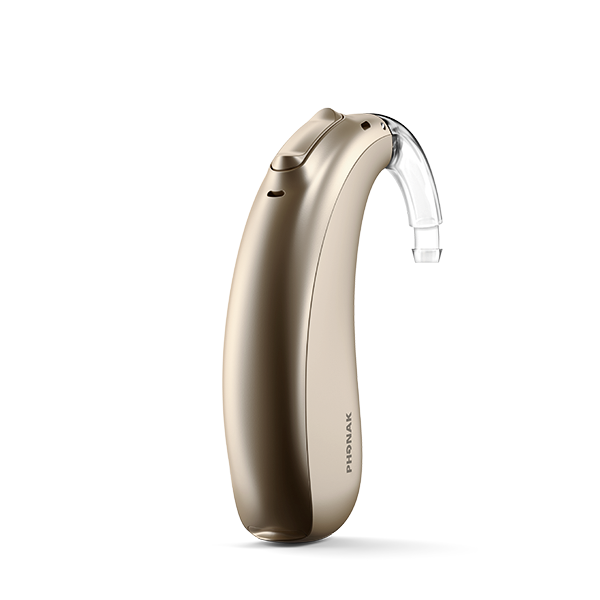
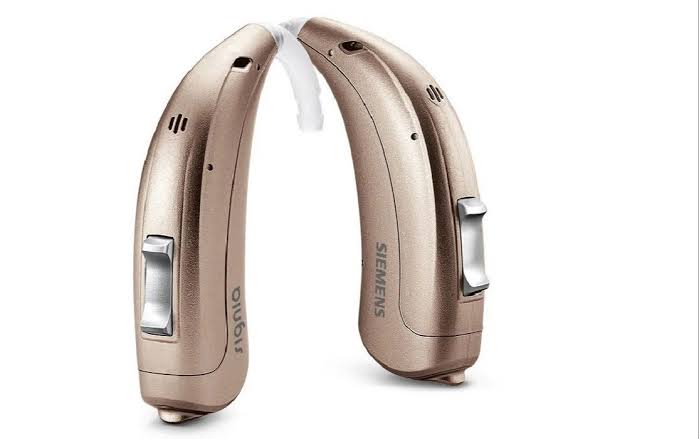
BTE (Behind-the-Ear) hearing aids are classic, durable, and highly reliable devices where all structural components sit safely housed in a case behind your ear.
Sound is delivered into the ear canal via a custom ear mold or a discrete thin tube. Because the casing has more space, BTE models offer longer battery life, easier manual handling, and tactile controls.
A BTE hearing aid may suit seniors, individuals with severe-to-profound hearing loss profiles, or those who prefer simpler physical device management without compromising on amplification power.
Use these quick links to jump straight to the section you want to read first.
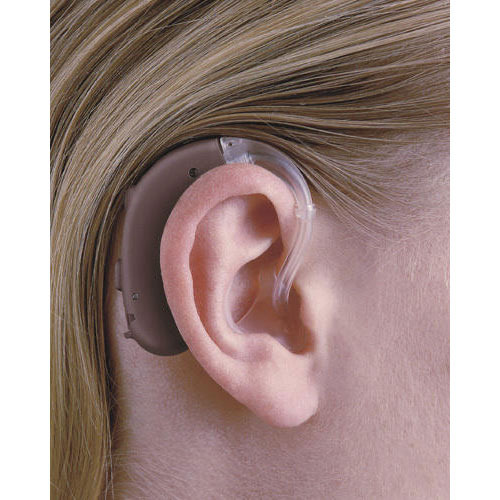
BTE stands for behind-the-ear. A BTE hearing aid is a hearing aid style where the main electronic device sits behind the ear..
In simple words, the hearing aid body sits behind the ear, the tube carries sound forward, and the earmould or tip helps deliver the sound into the ear canal. This makes BTE hearing aids practical, easy to manage, and suitable for a wide range of users.
Many people search for bte hearing aid, behind the ear hearing aid, best behind the ear hearing aids, digital bte hearing aids, rechargeable bte hearing aid, or smallest behind the ear hearing aid when they begin comparing hearing aid options.
The best choice depends on more than size or appearance. It depends on hearing test results, listening needs, comfort, ear shape, and the type of support required.
Behind-ear core device body
Micro-thin connecting filament wire
Advanced sound receiver inside ear canal
Custom acoustic dome or ear mould
BTE hearing aids work by collecting sound, processing it, and sending it into the ear.
The microphones on the hearing aid pick up sounds from the environment, such as speech, traffic, music, alarms, or background noise.
In digital hearing aids, the sound is processed according to the person’s hearing test results. Soft sounds may be made clearer, speech may be supported, and some unwanted noise may be reduced depending on the hearing aid technology.
The processed sound travels from the behind-ear body through a tube or thin tube.
The sound enters the ear through an earmould, soft tip, or open-fit dome.
The ear receives the sound and the brain recognises it as speech, music, alerts, or other environmental sounds.
Follow-up adjustments help fine-tune loudness, clarity, background noise control, and comfort as the user adapts to new sounds.
Select any two types to instantly compare features, discretion levels, and specifications
BTE hearing aids are not selected only because they are popular. The right hearing aid should match the hearing test, ear condition, degree of hearing loss, speech understanding, comfort, and daily listening needs.
BTE models are universally loved by individuals who want an invisible tech form-factor without compromising on streaming connectivity features. They keep your ear canal completely open, offering a highly organic and natural sound landscape.
Important Note: No single model fits all ear archetypes perfectly. Finding your ideal gear depends on variables like exact canal moisture content, wax conditions, physical handling dexterity, and deep clinical audiogram evaluations.
A quick comprehensive hearing test helps lock down if a RIC model suits your specific active lifestyle goals.
BTE hearing aids are often chosen because they are flexible, durable, and available across many hearing support levels.
BTE hearing aids are available in different power levels and may support mild, moderate, severe, and selected profound hearing loss.
The behind-ear body is easier to hold than many tiny hearing aids. This can be useful for older adults, children, and people with dexterity concerns.
BTE hearing aids are practical for everyday use because the main electronics sit behind the ear rather than deep inside the ear canal.
BTE hearing aids are commonly used for children because earmoulds can be replaced as the child grows.
Many BTE hearing aids are now available as digital hearing aids, rechargeable hearing aids, Bluetooth hearing aids, and wireless hearing aids.
Some BTE hearing aids can connect with assistive listening devices, remote microphones, TV connectors, and other hearing technology.
Open fit hearing aids are small BTE-style devices that use thin tubing and a soft dome instead of a full earmould.
Open fit may not suit everyone. People with severe or profound hearing loss, frequent feedback, or a need for stronger low-frequency amplification may need another fitting style.
BTE hearing aids may help many people with sensorineural hearing loss.
Sensorineural hearing loss happens when the inner ear, cochlea, hair cells, ear nerves, or hearing nerve is affected.
People may search for hearing aid sensorineural loss, hearing aids for sensorineural hearing loss, sensorineural deafness hearing aids, or sensorineural hearing loss and hearing aids. BTE hearing aids do not cure sensorineural hearing loss, but they may help improve access to speech and environmental sounds when fitted properly.
The fitting needs to focus on clarity, comfort, speech understanding, and listening in noise because many people with sensorineural hearing loss can hear sound but cannot understand words clearly.
BTE hearing aids may be considered for some people with conductive hearing loss or mixed hearing loss, depending on the cause and medical advice.
Conductive hearing loss happens when sound cannot pass properly through the outer or middle ear. If the cause is wax, infection, fluid, or another treatable condition, medical care may be recommended first. If hearing difficulty remains or the condition is long-term, hearing aids may be considered.
Mixed hearing loss includes both conductive and sensorineural components. These cases may need both medical evaluation and hearing support.
Many modern BTE hearing aids are available with rechargeable systems and Bluetooth features." centered.
Older adults with dexterity concerns
Children under caregiver support
People who use hearing aids daily
People who prefer a simple charging routine
People who use Bluetooth features frequently
Rechargeable BTE hearing aids are charged in a dock or charging case. They may be useful for people who do not want to change small batteries regularly.
Phone call streaming
Music streaming
App-based volume control
Program changes through a mobile app
TV connector compatibility
Remote support in some models
Bluetooth features can be helpful, but they should not be the only reason for selecting a hearing aid. Comfort, hearing performance, fitting quality, and aftercare support are more important.
A BTE hearing aid fitting includes hearing evaluation, earmould or tip selection, programming, comfort checking, and follow-up adjustments." centered.
The audiologist checks the type and degree of hearing loss.
Wax, infection, discharge, ear shape, or medical concerns may be checked.
The BTE hearing aid is programmed according to the audiogram and listening needs.
The audiologist checks the device position, tube length, earmould fit, and comfort.
The user gives feedback on loudness, clarity, sharpness, background noise, and own voice.
Follow-up visits help fine-tune the hearing aid as the user adapts to new sounds.
BTE hearing aids are flexible, but they may not be the preferred choice for everyone.
Strongly wants invisible hearing aids
Finds behind-ear devices uncomfortable
Uses tight helmets or headgear often
Has difficulty wearing glasses and BTE together
Has skin irritation behind the ear
Has high moisture or sweat exposure
Has outer ear shape that affects retention
Needs a device completely inside the ear
Has medical ear conditions that need ENT care first
Important Clinical Directive: This does not mean BTE hearing aids are unsuitable in every case. It means the hearing profile, ear condition, comfort, and daily routine should be checked before selection.
BTE hearing aids need regular care to work well." centered.
Clean the hearing aid gently with a soft, dry cloth after use.
Remove the device before bathing, swimming, or using water near the ear.
The earmould or dome should be cleaned as advised by the audiologist.
A blocked wax guard can make the hearing aid sound weak or unclear.
Keep the device in its case or charger when not in use.
If the sound becomes weak, distorted, or intermittent, the device may need professional cleaning or servicing.
A consultation may be helpful when hearing support needs are increasing or when you want to compare BTE with other hearing aid options.
Speech may feel unclear, especially in daily conversations.
Higher volume may indicate reduced hearing clarity.
Doorbells, alerts, or high-pitched sounds may become harder to notice.
Background noise can make hearing difficulty more noticeable.
Ringing or buzzing with hearing concerns should be evaluated.
A hearing test can help decide if RIC hearing aids may be suitable.
An audiologist can explain RIC, BTE, ITE, CIC, and invisible hearing aids.
Weak sound, feedback, or poor comfort may need fitting support.
Short, simple answers to common questions about receiver-in-canal hearing aid devices.
RIC means Receiver-in-Canal. In this style, the main hearing aid sits behind the ear, while the receiver or speaker sits inside the ear canal.
RIC and RITE are very similar terms. RIC means Receiver-in-Canal, while RITE means Receiver-in-the-Ear. Both describe a hearing aid style where the receiver sits in the ear canal or ear opening area.
RIC hearing aids are usually discreet. The main device sits behind the ear, and a thin wire connects it to the receiver in the ear canal.
RIC hearing aids are not automatically better than BTE hearing aids. RIC may be more discreet and lightweight, while BTE may be better for some children, severe hearing loss, or users needing stronger durability.
RIC hearing aids may suit many people with mild to moderate hearing loss, and some models may support more significant hearing loss. Suitability depends on hearing test results, ear condition, comfort, and fitting needs.
Yes, many modern RIC hearing aids are available with rechargeable batteries. They are usually charged in a charging dock or case.
Many RIC hearing aids come with Bluetooth features, depending on the brand and model. Bluetooth may support phone calls, music streaming, app control, and TV accessories.
Some RIC models may support more significant hearing loss with stronger receivers or custom moulds, but they may not be suitable for everyone with severe or profound hearing loss. A hearing test is needed.
RIC hearing aids should be wiped with a soft dry cloth. The dome and wax guard should be checked regularly. If sound becomes weak, the wax guard or receiver may need cleaning or replacement.
Weak sound may be caused by a blocked wax guard, low battery, moisture, receiver blockage, incorrect placement, or device issue. If basic cleaning does not help, professional servicing may be needed.
BTE hearing aids can be a practical, durable, and flexible option for many people, including children, older adults, and users who need stronger hearing support. But the right hearing aid depends on your hearing test, ear condition, lifestyle, comfort, and listening needs.